



What is a Biohazard

Biohazards in Homes & Workplaces: Complete Guide to Health Risks, Cleanup, Contamination & Safe Removal (2026)
Introduction
Biohazards can pose serious risks to human health, property, and workplace safety when not handled correctly. From trauma scenes and bodily fluids to contaminated waste and infectious materials, biohazard situations require specialised cleaning, containment, and disposal procedures.
Across Australia, increasing awareness around infection control, workplace compliance, and public health has made professional biohazard remediation more important than ever.
This guide explains what biohazards are, the risks they present, where contamination commonly occurs, and why professional cleanup is critical.
What Is a Biohazard?
A biohazard is any biological material that may pose a threat to human health or the environment.
This can include:
• Blood and bodily fluids
• Human or animal waste
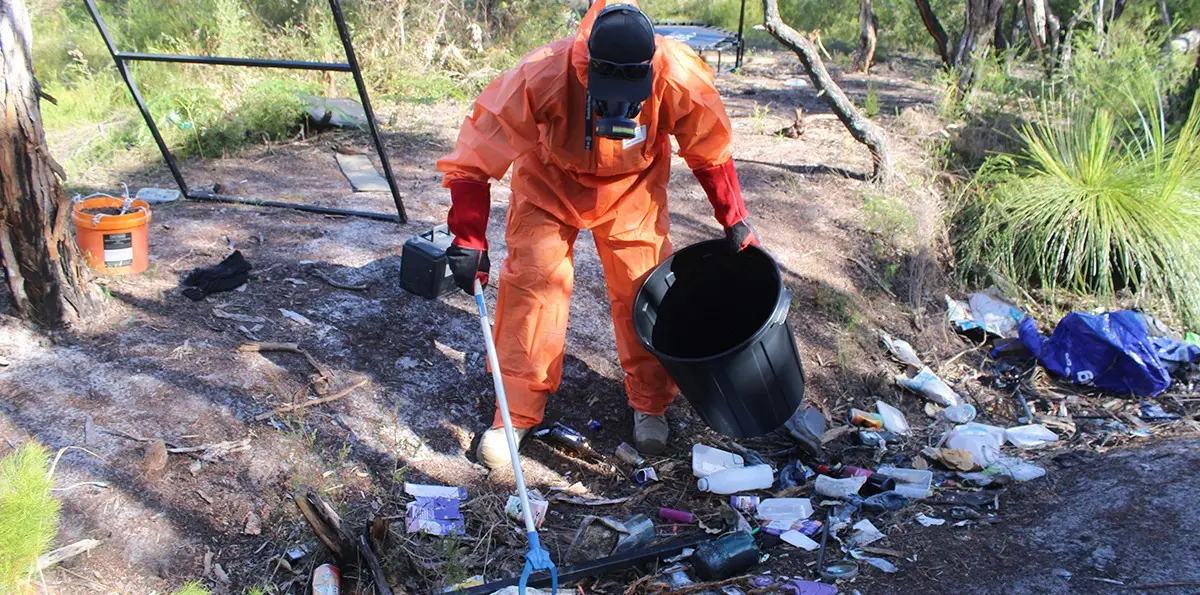
• Needles and sharps
Trauma and crime scene contamination
• Infectious materials
• Sewage contamination
• Medical or clinical waste.
Biohazards may contain harmful bacteria, viruses, fungi, or other pathogens capable of spreading disease.
Why Are Biohazards Dangerous?
Biohazard exposure can result in:
• infection
• respiratory illness
• cross-contamination
• long-term health risks.
Potential exposure may involve:
• skin contact
• airborne particles
• contaminated surfaces
• accidental sharps injuries.
Some contamination may not be visible, making professional assessment essential.
How Professional Biohazard Remediation Works
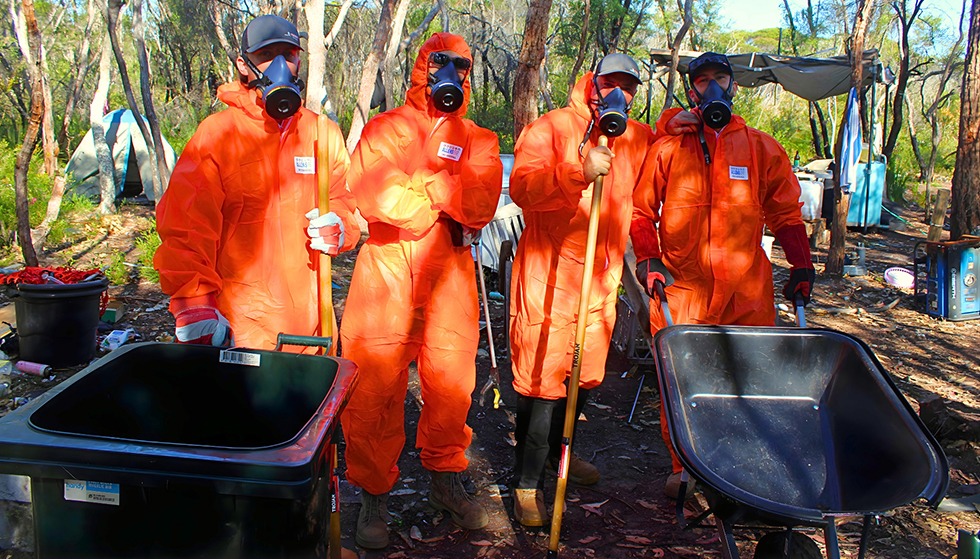
Professional services like Jim’s Hazardous Material Removal follow strict remediation protocols.
1. Site Assessment
Identify contamination risks and affected materials
2. Containment
Prevent cross-contamination to surrounding areas
3. Hazard Removal
Safely remove contaminated waste and materials
4. Cleaning & Disinfection
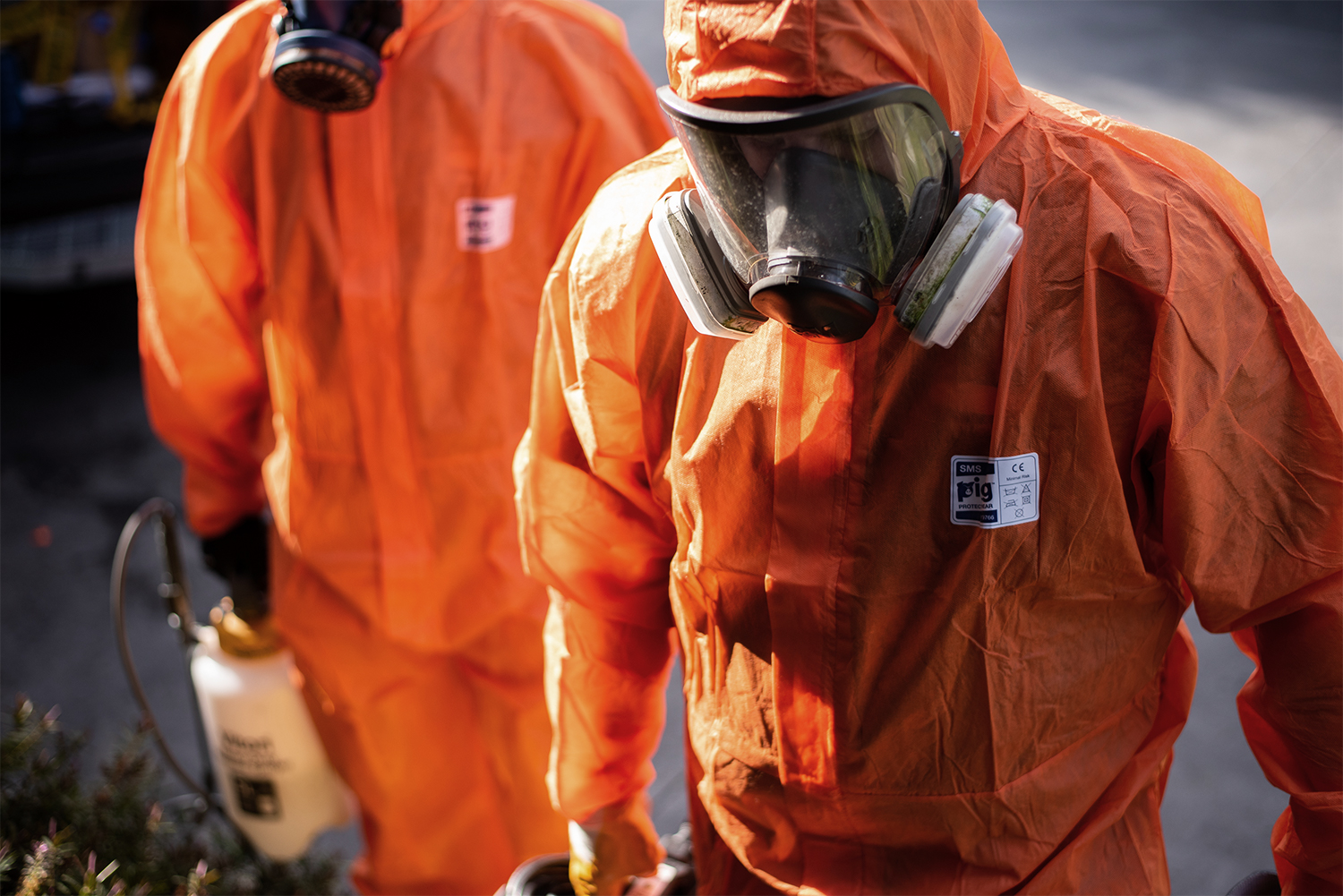
Use hospital-grade disinfectants and specialist equipment
5. Deodorisation & Restoration
Eliminate odours and restore safe occupancy conditions
6. Safe Disposal
Dispose of biohazard waste in accordance with Australian regulations
Biohazards and Workplace Compliance
Australian workplaces have legal obligations to maintain safe environments for workers and the public. This may include:
• infection control measures
• sharps disposal procedures
• hazardous waste management
• decontamination following incidents.
Failure to properly manage biohazards can result in:
• health risks
• liability issues
• workplace breaches.
Biohazard Clearance Certificates
Following professional remediation, clearance documentation may be issued confirming that cleaning and decontamination procedures have been completed to an appropriate standard.
Clearance certification is particularly important for:
• commercial properties
• workplaces
• rental properties
• insurance and compliance purposes.

Common Biohazard Risks
Biohazard environments can expose individuals to harmful pathogens associated with conditions such as:
• Hepatitis B
• Hepatitis C
• COVID
• MRSA.
Proper containment and disinfection procedures are essential to reduce exposure risks.
Where Biohazards Are Commonly Found
Biohazard contamination can occur in:
• Homes and residential properties
• Commercial buildings
• Healthcare facilities
• Public spaces and transport areas
• Industrial workplaces
• Rental and abandoned properties.
Common scenarios include:
• unattended deaths
• trauma incidents
• hoarding situations
• sewage overflows
• drug-related contamination
• sharps and needle hazards.
Why Professional Biohazard Cleanup Is Important
Biohazard cleanup involves far more than surface cleaning.
Improper handling can:
• spread contamination
• expose occupants to disease
• create lingering odours and health hazards
• result in non-compliance with safety regulations
Professional remediation ensures:
• safe containment
• certified disinfecting procedures
• compliant waste disposal
• restoration of safe environments.
Can Biohazards Be Cleaned Without Professional Help?
Attempting DIY biohazard cleaning is strongly discouraged.
Household cleaning products are often insufficient for:
• bloodborne pathogens
• bacterial contamination
• airborne particles
• deeply contaminated materials.
Without proper PPE and containment procedures, contamination can spread rapidly.
What Are Sharps and Needle Hazards?
Discarded needles and syringes present a serious public health risk. Sharps may be found in:
• public spaces
• parks and amenities
• rental properties
• commercial sites
• hoarding environments
Accidental needle-stick injuries can expose individuals to infectious diseases and should always be treated seriously.
Sewage and Waste Contamination
Sewage overflows and waste contamination contain harmful microorganisms and bacteria. The risks include:
• airborne pathogens
• water contamination
• structural damage
• severe odours.
Professional cleaning and sanitisation are essential following sewage incidents.
Signs Professional Biohazard Cleaning May Be Required
• Blood or bodily fluid contamination
• Strong biological odours
• Needle or sharps presence
• Trauma or unattended death scenes
• Sewage backups or contamination
• Hoarding or unsanitary conditions.
What To Do If You Encounter a Biohazard
1. Avoid direct contact with contaminated materials
2. Restrict access to the area
3. Do not attempt to clean without proper protection
4. Contact a qualified biohazard remediation specialist immediately.
Cost of Biohazard Cleanup in Australia
Costs vary depending on:
• level of contamination
• size of affected area
• type of hazard involved
• disposal requirements
• restoration work required.
Professional assessment is required to determine the extent of remediation needed.
Why Professional Biohazard Remediation Matters
Biohazard situations require specialist knowledge, equipment, and strict safety procedures. Professional remediation helps:
• protect health and safety
• prevent cross-contamination
• restore safe occupancy
• ensure regulatory compliance.
Need Help?
If you require professional biohazard cleanup, contamination removal, or decontamination services, acting quickly is essential to protect health and safety.
Jim’s Hazardous Material Removal provides expert biohazard cleaning, trauma remediation, sharps removal, and contamination cleanup services across Australia, with trained specialists equipped to manage hazardous environments safely, discreetly, and professionally.
Return to Top
