Commercial and Residential Hazardous Materials ManagementContact UsContact UsCommercial and Residential Hazardous Materials ManagementContact UsCommercial and Residential Hazardous Materials ManagementContact UsCommercial and Residential Hazardous Materials ManagementContact UsCommercial and Residential Hazardous Materials ManagementContact UsCommercial and Residential Hazardous Materials Management
Jim's Commercial Building Clearance Certificates
Clearance Certificates for Commercial Buildings in Australia
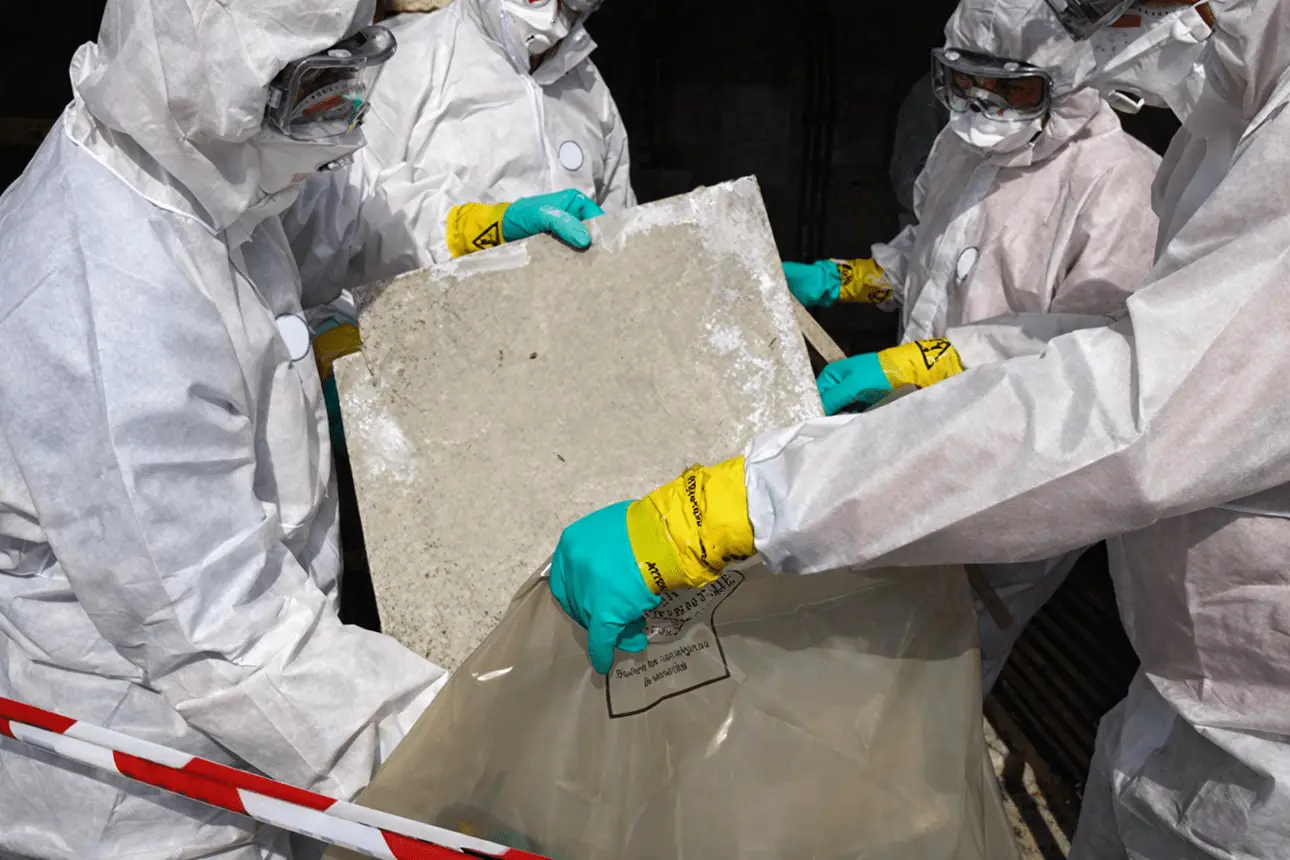
When asbestos or other hazardous materials are removed from a commercial property, the job isn’t complete until the site has been independently assessed and declared safe. This is where a clearance certificate becomes essential.
A clearance certificate confirms that an area has been properly decontaminated following hazardous material removal and is safe for reoccupation. For businesses, building owners, and property managers, it provides formal assurance that health risks have been addressed and regulatory obligations have been met.
What Is a Clearance Certificate?
A clearance certificate is an official document issued after a thorough inspection of a site where hazardous materials — most commonly asbestos — have been removed. It verifies that: • All identified hazardous materials have been safely removed • The area has been properly cleaned and decontaminated • Airborne contamination is within safe limits (where testing is required) • The site is safe for normal use and occupancy
In Australia, particularly for higher-risk asbestos removal, clearance inspections must be carried out by a licensed and independent assessor — not the removal team — to ensure objectivity and compliance.
When Is a Clearance Certificate Required?
Clearance certificates are typically required following: • Removal of friable (high-risk) asbestos • Significant non-friable asbestos removal works • Commercial strip-outs, refurbishments, or demolition projects • Biohazard or contamination incidents requiring formal decontamination
In commercial environments, this step is critical. Without proper clearance, businesses risk exposing employees, contractors, and the public to residual contamination.
Why Clearance Matters for Commercial Properties
Commercial buildings carry a higher level of responsibility due to the number of people who may be exposed. A clearance certificate provides: Health and Safety Assurance Confirms that the environment is safe for staff, tenants, and visitors.
Regulatory Compliance Demonstrates adherence to workplace health and safety laws and asbestos regulations across Australia.
Risk Management Reduces the potential for future liability, claims, or disputes related to exposure.
Project Sign-Off Allows renovations, fit-outs, or handovers to proceed without delay.
Without formal clearance, even well-executed removal work can leave uncertainty — and that uncertainty carries risk.
The Clearance Process
The clearance process is detailed and methodical, ensuring no contamination remains. It typically includes:
1. Visual Inspection A comprehensive check to ensure all hazardous materials have been removed and no debris remains.
2. Surface Assessment Inspection of all surfaces, cavities, and previously affected areas for dust or residue.
3. Air Monitoring (if required) Air testing to confirm that airborne fibre or contaminant levels are within safe limits.
4. Final Certification Issuance of a clearance certificate once the site meets all safety and regulatory standards.
Only after this process is complete should an area be considered safe for reoccupation.
Why Professional Coordination Matters
Clearance certification is not just a formality — it’s a critical control point in the entire remediation process.
At Jim’s Hazardous Material Removal, we coordinate closely with licensed, independent assessors to ensure every project meets the highest standards. From initial removal through to final clearance, our team ensures all work is carried out in strict accordance with Australian regulations.
We manage the process end-to-end, helping businesses avoid delays, ensure compliance, and maintain confidence that their property is safe.
Don’t Overlook the Final Step
A clearance certificate is your proof that a job has been done properly — and safely. Skipping or delaying this step can expose your business to unnecessary risk.
If your commercial property is undergoing asbestos removal or any form of hazardous material remediation, ensure clearance is part of the process from the outset.
No shortcuts. No guesswork. Just safety done right.