Commercial and Residential Hazardous Materials ManagementContact UsContact UsCommercial and Residential Hazardous Materials ManagementContact UsCommercial and Residential Hazardous Materials ManagementContact UsCommercial and Residential Hazardous Materials ManagementContact UsCommercial and Residential Hazardous Materials ManagementContact UsCommercial and Residential Hazardous Materials Management
Safety and Compliance in Hazardous Material Removal Across Australia
Safety and Compliance: Protecting People, Property, and Business
In Australia, hazardous material removal is tightly regulated — and for good reason. Whether dealing with asbestos, mould, biohazards, or sharps, the risks to health, safety, and the environment are significant. As a result, companies like Jim’s Hazardous Material Removal must follow strict, nationally aligned laws and standards on every job, regardless of size or complexity.
A National Framework with State Enforcement Australia operates under a harmonised Work Health and Safety (WHS) framework, supported by state and territory regulators. While the structure is consistent nationwide, each state enforces its own legislation, licensing, and compliance requirements.
In practice, this means every hazardous material job must: • Identify and assess risks before work begins • Implement controls to eliminate or minimise exposure • Protect workers, occupants, and the public • Follow approved handling, transport, and disposal methods
This framework applies broadly across all hazardous materials — not just asbestos — ensuring a consistent standard of safety.
Licensing, Training, and Competency Different types of hazardous materials require different levels of licensing and expertise. For example, asbestos removal often requires specific licences depending on the material, while biohazard and sharps work demands strict infection control procedures and handling protocols.
Across all services, companies must ensure:
• Workers are properly trained and competent •.Appropriate licences are held where required • Staff understand site-specific risks and procedures
There’s no room for guesswork — compliance depends on having the right people, with the right training, doing the job correctly.
Risk Assessment and Site Control Before any work starts, a thorough risk assessment must take place. This step sets the foundation for safe and compliant removal.
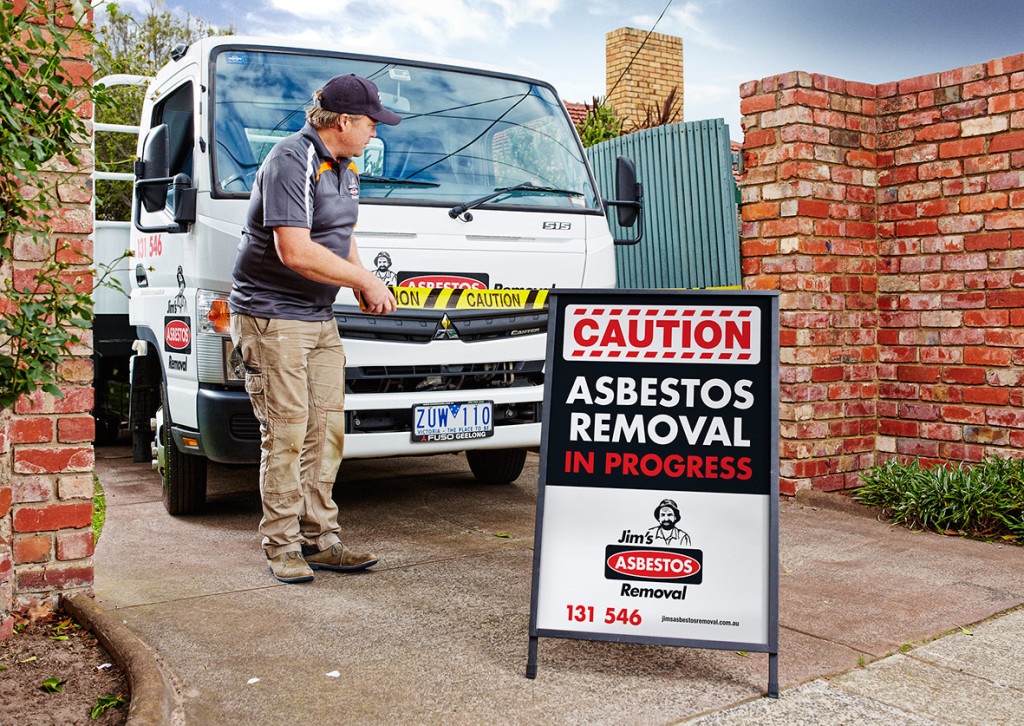
It typically includes: • Identifying the type and extent of the hazard • Establishing exclusion zones and containment measures • Implementing Safe Work Method Statements (SWMS) • Planning for safe removal, handling, and disposal
By controlling the environment from the outset, risks are significantly reduced throughout the process.
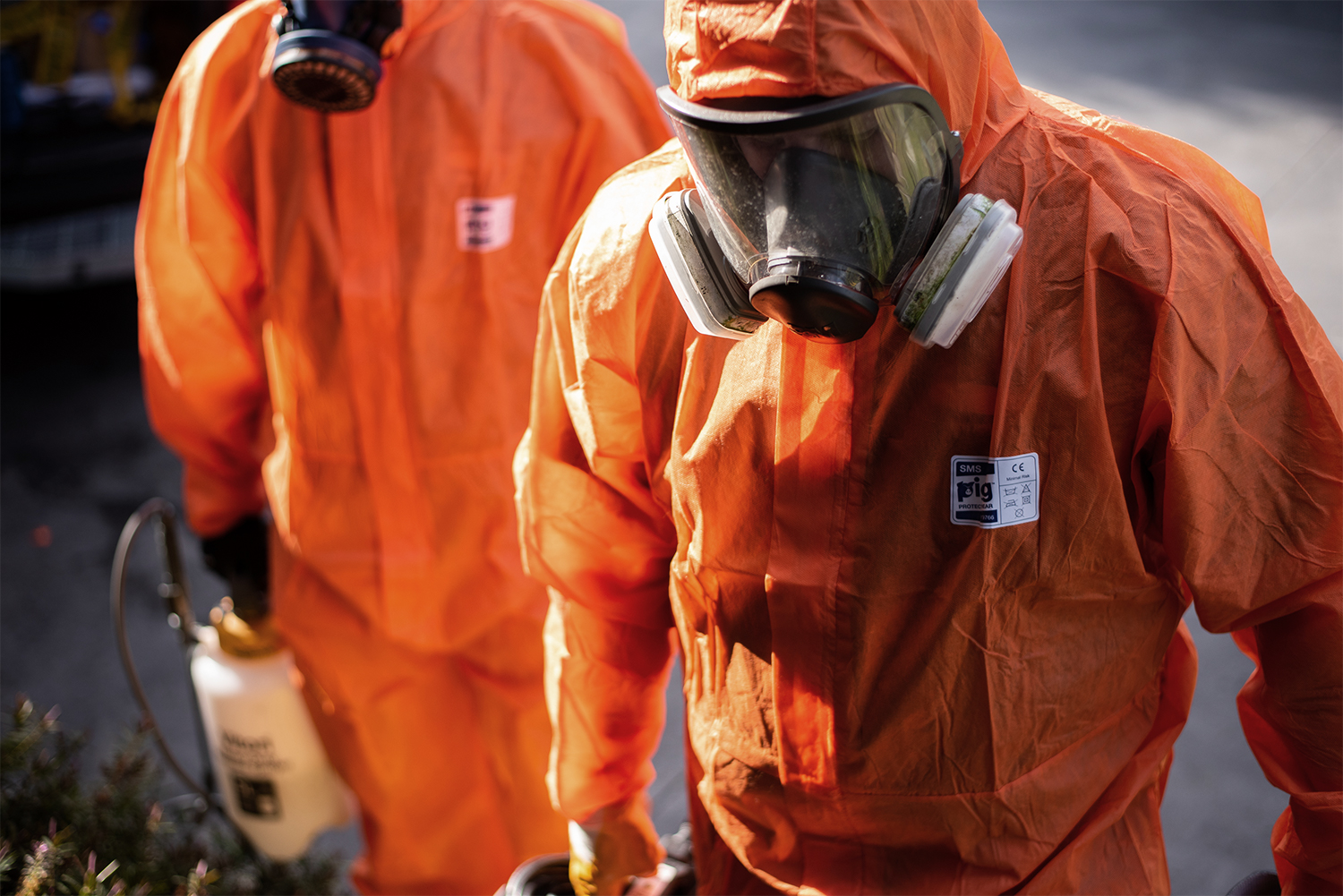
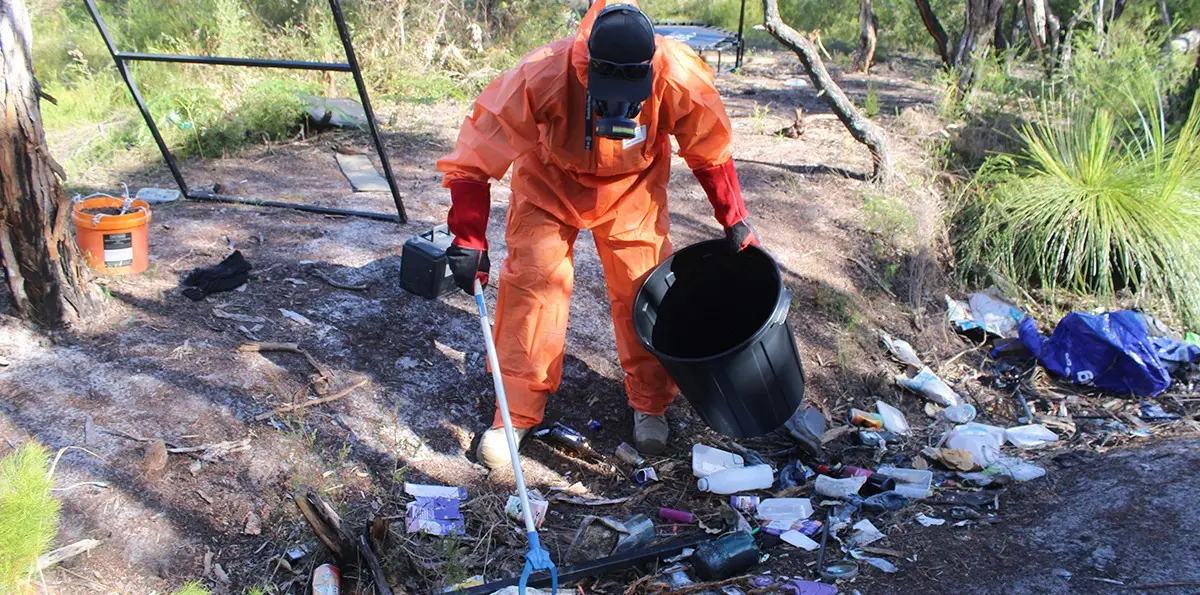
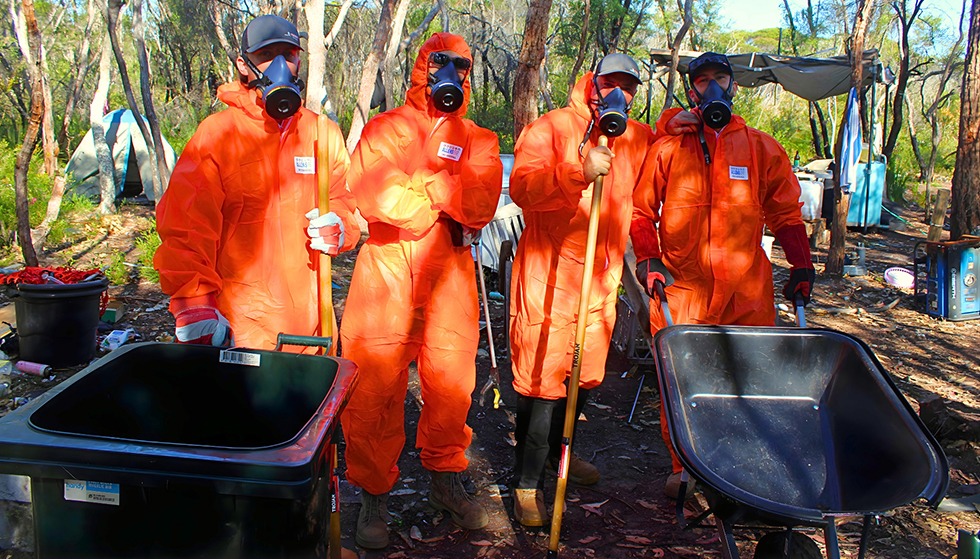
Safe Work Practices and PPE Australian regulations require strict use of personal protective equipment (PPE) and safe work practices across all hazardous material services. Depending on the task, this may include: • Respiratory protection • Disposable protective clothing • Gloves and eye protection • Decontamination procedures
These controls protect not only workers, but also prevent cross-contamination to surrounding areas.
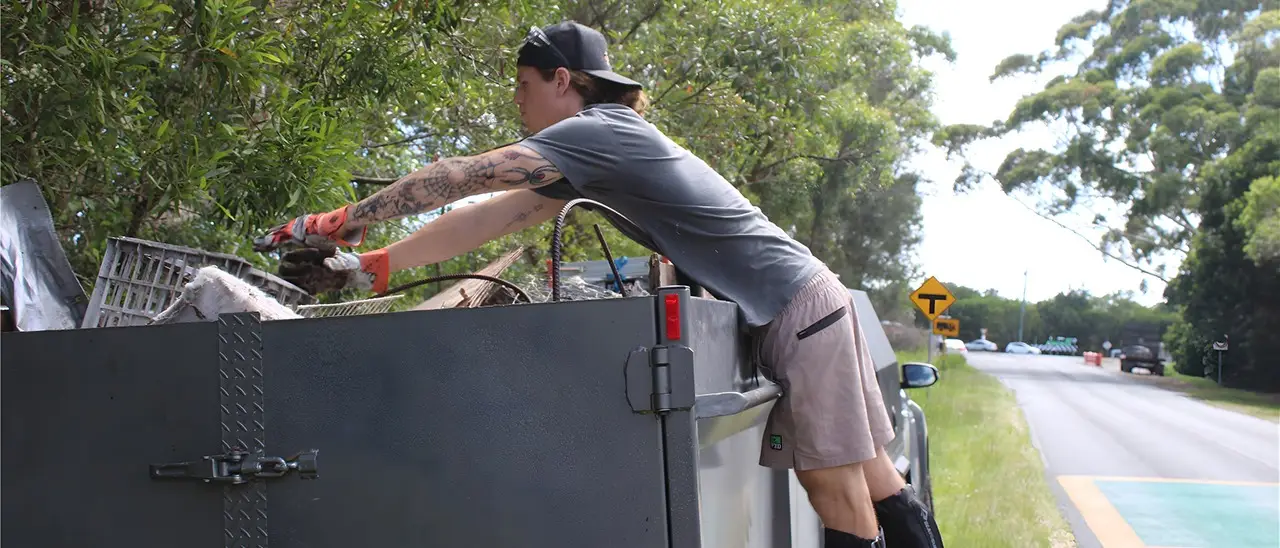
Transport and Disposal Requirements Hazardous waste must be handled and disposed of in accordance with environmental and safety laws. This means: • Sealing and labelling waste correctly • Transporting materials using approved methods • Disposing of waste at licensed facilities • Maintaining records for traceability and compliance
Improper disposal is not just unsafe — it is a serious legal breach.
Clearance and Verification Once removal and cleaning are complete, the site must be verified as safe. Depending on the type of hazard and level of risk, this may involve inspection, testing, or formal clearance certification. This step ensures: • No residual contamination remains • The area is safe for reoccupation • All legal and safety obligations have been met
Without proper clearance, a job is not complete.
Why This Matters Strict compliance is not just about meeting legal requirements — it protects people, property, and businesses.
For companies like Jim’s Hazardous Material Removal, every project must meet these standards from start to finish. That means following proven processes, using the right equipment, and ensuring every job is completed safely, thoroughly, and in line with Australian law.
When hazardous materials are involved, there is only one acceptable outcome: the risk is properly identified, controlled, and eliminated.
No shortcuts. No guesswork. Just safety done right.