Commercial and Residential Hazardous Materials ManagementContact UsCommercial and Residential Hazardous Materials ManagementContact UsCommercial and Residential Hazardous Materials ManagementContact UsCommercial and Residential Hazardous Materials ManagementContact UsContact UsCommercial and Residential Hazardous Materials ManagementContact UsCommercial and Residential Hazardous Materials Management
Biohazad Recovery Services
What’s Involved in Professional Biohazard Recovery?
Biohazard Recovery is a specialised, highly regulated service that restores environments contaminated by biological hazards back to a safe, habitable condition. It requires trained technicians, strict safety protocols, and a methodical approach to ensure all risks are eliminated—not just cleaned or covered up.
Below is a detailed breakdown of what a professional Biohazard Recovery service involves.
Immediate Action. Absolute Control. Total Protection
When a property is damaged or exposed to risk, hesitation is dangerous. It must be secured—and it must happen now. At Jim’s Hazardous Material Removal, our Make Safe Service is engineered for rapid, decisive intervention following storm impact, fire, water ingress, vandalism, or hazardous contamination. We don’t arrive to observe. We arrive to take control—neutralising threats, stabilising the environment, and stopping further damage before it has a chance to escalate.
Rapid Response & On‑Site Risk Control
From the moment an incident occurs, speed becomes critical. That’s why our team mobilises instantly, arriving fully equipped to identify and confront every visible and hidden hazard. As soon as we step onto the property, we take command. Structural instability, contamination risks, compromised access points—nothing is overlooked. This immediate, assertive approach ensures protective measures are implemented on the spot, safeguarding the property and everyone around it.
From Contamination to Clearance: Our 8‑Step Recovery Method
1. Immediate Risk Assessment & Scene Control
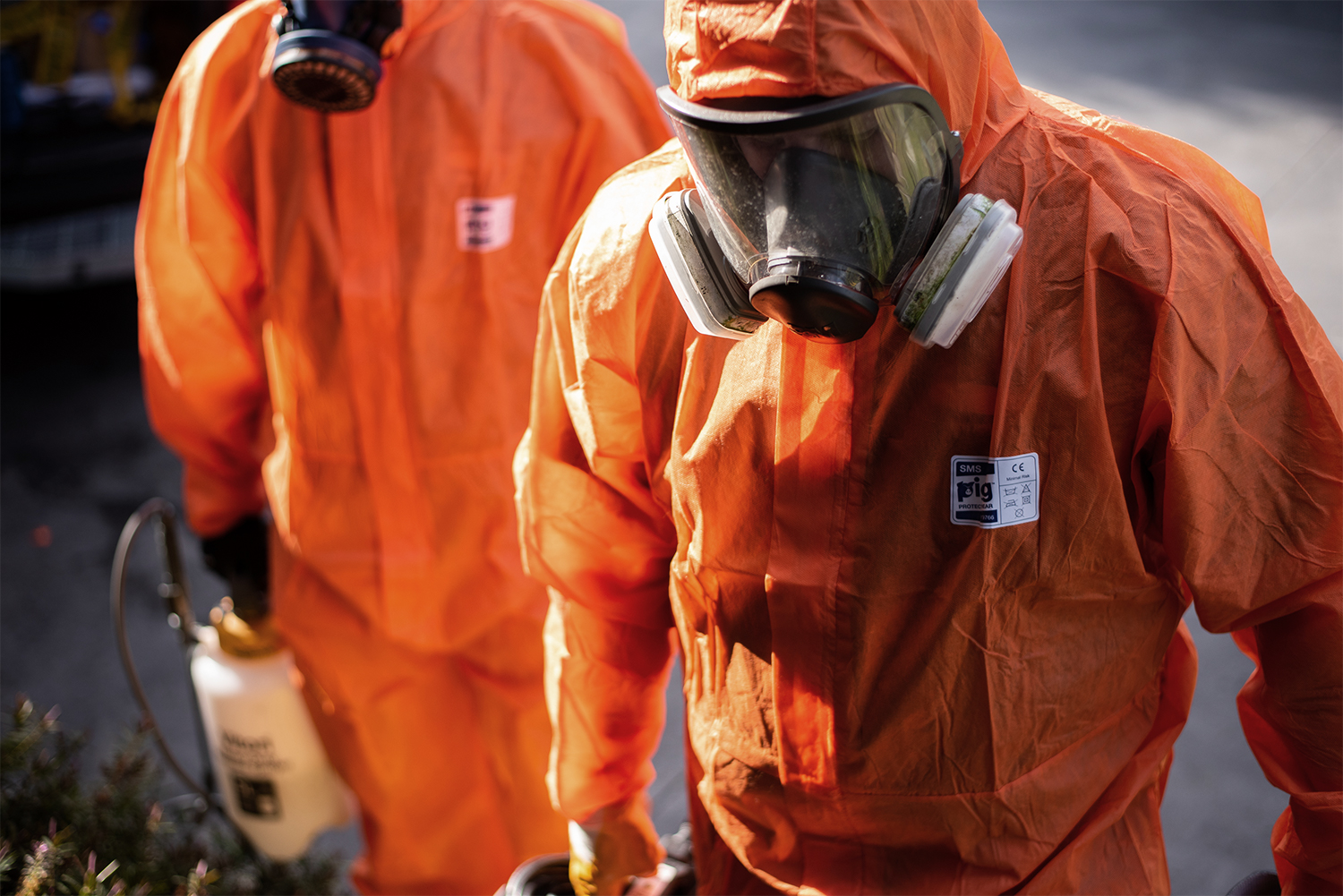
The process begins the moment the team arrives. Technicians conduct a rapid but thorough assessment to identify: • The type of biohazard present • The level of contamination • Structural or environmental risks Required PPE and containment measures
From there, the area is secured to prevent unauthorised access, cross‑contamination, or accidental exposure. This step ensures the scene is controlled before any remediation begins.
2. Establishing Containment Zones
Next, the team sets up physical containment barriers to isolate the affected area. This may include: • Plastic sheeting and temporary walls • Negative air pressure systems • Sealed entry/exit points • Decontamination chambers for technicians
Containment is critical—it prevents hazardous particles, pathogens, or odours from spreading into clean areas.
3. Removal of Biohazardous Materials
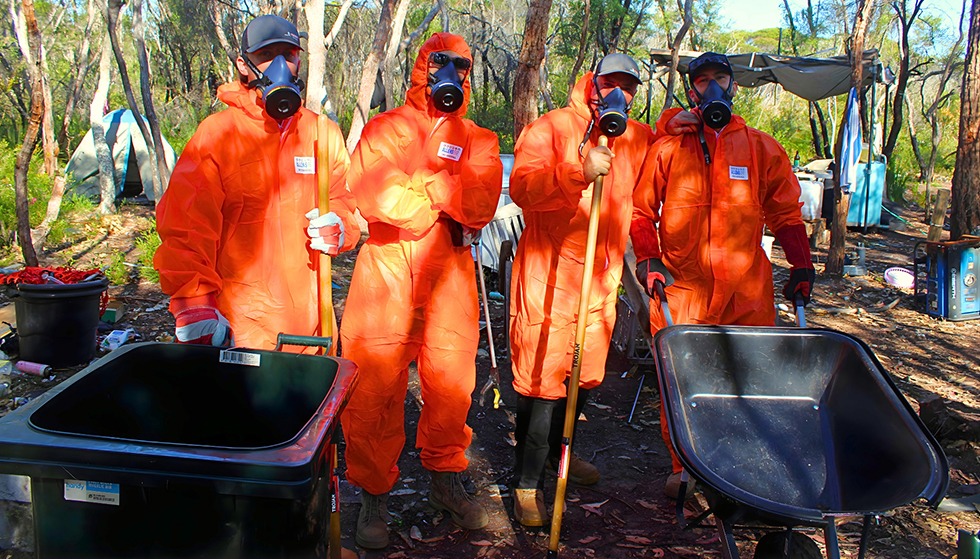
Once containment is in place, technicians begin the controlled removal of contaminated materials. Depending on the incident, this may include: • Blood and bodily fluids • Sharps or medical waste • Animal waste or carcasses • Sewage and blackwater • Drug lab residues • Mould, bacteria, or microbial growth • Contaminated furniture, flooring, or building materials
All waste is handled using strict protocols and packaged in approved biohazard containers for compliant disposal.
4. Deep Cleaning & Decontamination
After contaminated materials are removed, the site undergoes a multi‑stage cleaning process: • Gross cleaning to remove visible contaminants • Detail cleaning to target hidden or microscopic hazards • Chemical disinfection using hospital‑grade agents • Odour neutralisation through specialised treatments • Air purification using HEPA filtration or ozone systems
This ensures the environment is not only visibly clean but biologically safe.
5. Structural Remediation (If Required)
In cases where contamination has penetrated surfaces or materials, structural remediation may be necessary. This can include: • Removing sections of flooring, plasterboard, or insulation • Treating subfloors and wall cavities • Rebuilding or replacing damaged materials • This step ensures no hidden contamination remains behind walls, under floors, or within porous materials.
6. Verification Testing & Clearance
Once cleaning and remediation are complete, the site undergoes verification to confirm it meets safety standards. This may involve: • ATP testing (measuring organic residue) • Air quality testing • Surface swab analysis • Visual inspection by a qualified assessor
Only when the site passes all checks is it cleared for re‑entry.
7. Documentation, Reporting & Compliance
A professional Biohazard Recovery service includes full documentation for compliance and insurance purposes, such as: • Incident assessment reports • Waste tracking documentation • Before‑and‑after photos • Clearance certificates • Safety and compliance records
This provides transparency and ensures all legal obligations are met.
8. Compassionate, Discreet Service Delivery
Biohazard incidents often occur in sensitive or distressing circumstances. A professional provider delivers services with: • Discretion • Sensitivity • Respect for privacy • Minimal disruption
This human‑centred approach is just as important as the technical work.
Biohazards pose serious health risks if handled incorrectly. Professional recovery ensures: • Full compliance with health and safety regulations • Proper containment and disposal • Elimination of pathogens and contaminants • Protection of occupants, workers, and the public • Prevention of long‑term structural or microbial damage
It’s not just cleaning—it’s specialised restoration that protects people, property, and wellbeing.