Commercial and Residential Hazardous Materials ManagementContact UsCommercial and Residential Hazardous Materials ManagementContact UsCommercial and Residential Hazardous Materials ManagementContact UsCommercial and Residential Hazardous Materials ManagementContact UsContact UsCommercial and Residential Hazardous Materials ManagementContact UsCommercial and Residential Hazardous Materials Management
Residential Asbestos Removal
Asbestos Removal & Remediation You Can Rely On
What Exactly Is Asbestos?
Asbestos refers to a group of naturally occurring fibrous silicate minerals. Once valued for their strength, flexibility, and exceptional insulation properties, asbestos products were widely used across Australia—especially in construction—from the 1800s through to the late 20th century.
Why Asbestos Is Dangerous The danger begins when asbestos is disturbed. The material breaks into microscopic fibres that can be inhaled deep into the lungs. Once embedded, these fibres remain in the body for life and are linked to severe diseases including: • Lung cancer • Mesothelioma • Asbestosis
Although asbestos was phased out during the 1980s and is now completely banned in Australia, illegally imported asbestos‑containing products still enter the country, creating ongoing risk.
“Australians have been unwittingly exposed to potentially large quantities of illegally imported building products containing asbestos…” – The Australian
Comprehensive Make Safe Solutions
What Does Asbestos Look Like?
Asbestos typically appears in three main forms: • Chrysotile (white asbestos) • Crocidolite (blue asbestos) – the most harmful due to its long, thin fibres • Amosite (brown/grey asbestos)
Around homes and workplaces, asbestos may be found in: • Wall and ceiling linings • Vinyl flooring • Insulation • Fireplace surrounds • Carpet underlay • Roofing and eaves
Because asbestos can mimic many common building materials, professional identification is essential.
Our Asbestos Services
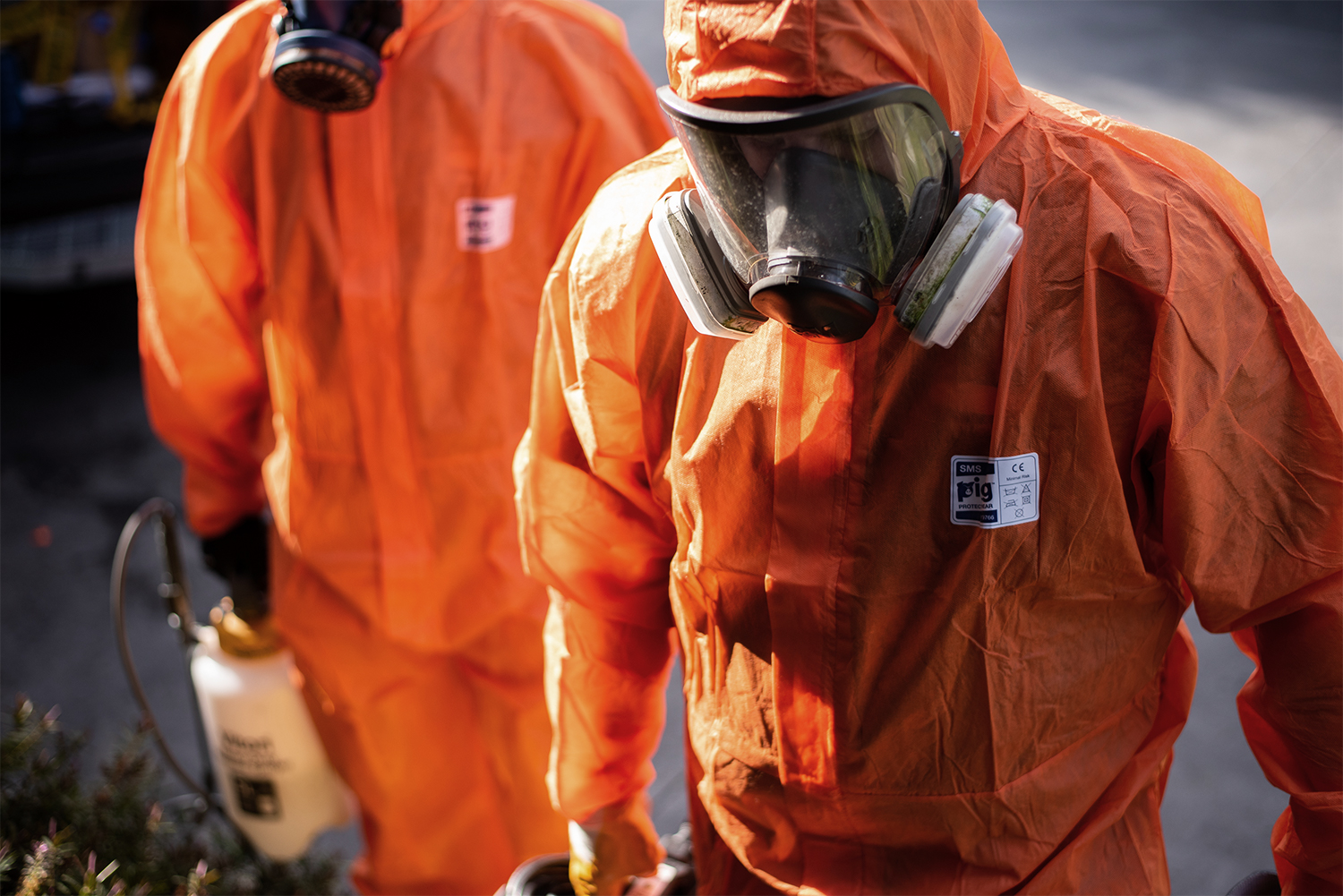
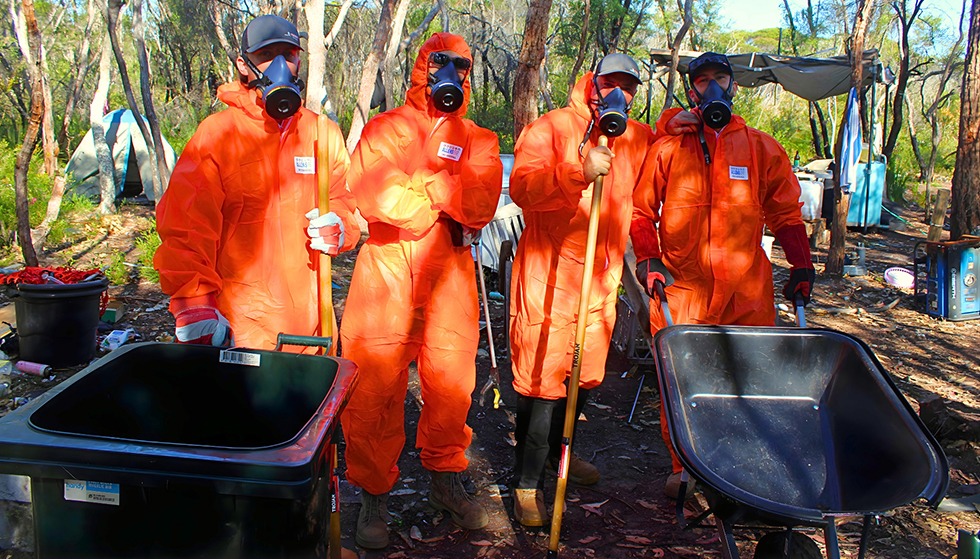
1. Asbestos Removal When asbestos must be removed, licensed professionals are essential. Our team manages the entire process, including: • Developing a clear removal plan • Notifying neighbours where required • Preparing the site with sealed internal areas and ventilated external zones • Carefully removing asbestos‑containing materials
Transporting and disposing of all waste safely and compliantly
2. Asbestos Encapsulation When removal isn’t the safest option, encapsulation provides a secure alternative. We apply: • Bridging encapsulants to seal the surface • Penetrating encapsulants to bind fibres internally
This prevents asbestos fibres from becoming airborne and eliminates exposure risk.
3. Asbestos Testing Identifying asbestos is the first critical step. We coordinate: • Visual inspections • Sample collection • Laboratory testing through a NATA‑accredited facility
Professional testing by licensed assessors ensures accurate, reliable results.
4. Clearance Certificates After removal, a Clearance Certificate confirms the area is safe to re‑occupy. This independent assessment may include: • Visual inspections • Settled dust sampling • Air testing • Clearance Certificates are mandatory in many situations, depending on state regulations.
5. Air Monitoring Air monitoring measures airborne asbestos fibres to assess exposure risks or verify the effectiveness of control measures. This service is essential when: • Asbestos may have been disturbed • Removal works are underway • Ongoing safety verification is required
We manage all aspects of air monitoring to ensure compliance and peace of mind.
6. Visual Inspection A visual inspection is often the first step in identifying potential asbestos. Our trained technicians assess the property and recommend testing where needed to confirm the presence of asbestos with certainty.
Act Early, Stay Safe
Ultimately, asbestos is a serious risk that requires professional handling. Therefore, if you suspect asbestos in your home or workplace, it’s important to act promptly. Contact Jim’s Hazardous Material Removal expert today—your safety starts with the right advice.