Commercial and Residential Hazardous Materials ManagementContact UsContact UsCommercial and Residential Hazardous Materials ManagementContact UsCommercial and Residential Hazardous Materials ManagementContact UsCommercial and Residential Hazardous Materials ManagementContact UsCommercial and Residential Hazardous Materials ManagementContact UsCommercial and Residential Hazardous Materials Management
What is Mould and it's effect on your Health?
Toxic Mould in Australian Homes: Complete Guide to Identification, Health Risks, Removal & Prevention (2026)
Introduction
Toxic mould is a growing issue across Australian homes, particularly in humid and flood-prone regions. In cities like Brisbane and coastal areas of New South Wales, moisture, poor ventilation, and storm events create ideal conditions for mould growth.
While often dismissed as a cosmetic issue, mould can pose serious health risks and structural damage if left untreated. This guide explains how to identify mould, understand the risks, and safely remove and prevent it.
What is Mould?
Mould is a type of fungus that grows in damp, humid environments. It reproduces by releasing microscopic spores into the air, which can settle and grow on surfaces when moisture is present.
Common indoor mould types include: • Black mould • Green and white surface mould • Mildew (a form of early-stage mould).
Mould can grow on: • Walls and ceilings • Carpets and soft furnishings • Timber and plasterboard • Air conditioning systems.
Why is Mould Dangerous?
Mould exposure can impact health, particularly for children, the elderly, and those with respiratory conditions.
Common health effects include: • Allergic reactions (sneezing, skin irritation) • Respiratory issues (wheezing, coughing) • Headaches and fatigue.
More severe exposure has been linked to conditions such as: • Asthma • Hypersensitivity Pneumonitis.
Long-term exposure in heavily contaminated environments can significantly affect indoor air quality.
Where Mould is Commonly Found?
Mould is often hidden, not just visible.
Check high-risk areas: • Behind furniture and wardrobes • Inside cupboards and storage areas • Ceiling cavities and roof spaces • Under carpets • Around windows and seals • Inside air conditioning systems.
If you can smell mould but not see it, it is likely growing out of sight.
Signs You May Have a Mould Problem
• Musty or damp odour
• Visible spotting or staining on walls or ceilings • Peeling paint or bubbling plaster • Increased allergy symptoms indoors • Previous water damage or flooding.
Is Mould Worse After Flooding?
Yes—significantly.
After flooding or water damage: • moisture penetrates deep into materials • drying is often incomplete • mould can spread rapidly behind walls and flooring.
This is especially common in regions affected by seasonal storms across eastern Australia.
Can You Remove Mould Yourself?
Surface mould can sometimes be cleaned, but this often does not solve the underlying problem.
DIY cleaning risks: • spreading spores into the air • incomplete removal • mould returning quickly.
Bleach is commonly used—but it does not effectively kill mould at its roots in porous materials.
How Professional Mould Remediation Works
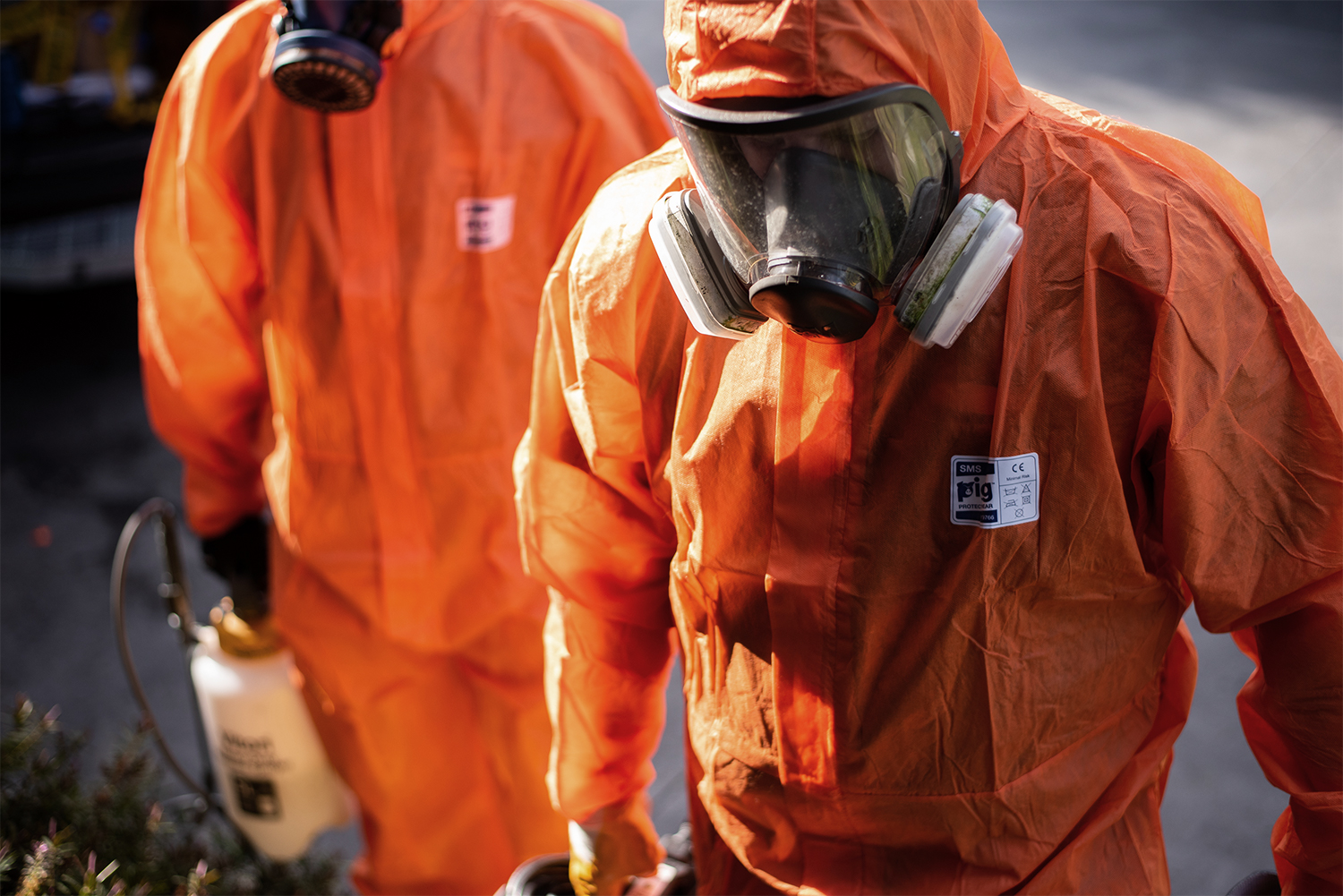
A professional service like Jim’s Hazardous Material Removal follows a structured remediation process:
1. Inspection & Assessment Identify moisture sources and extent of contamination
2. Containment Prevent spores spreading to unaffected areas
3. Air Filtration Use HEPA filtration to capture airborne spores
Proper remediation is an investment in both health and property protection.
How to Prevent Mould in Your Home
Prevention is always more effective than removal. Key steps: • Fix leaks immediately • Improve ventilation (especially bathrooms and kitchens) • Use exhaust fans and dehumidifiers • Keep indoor humidity below 60% • Dry wet areas within 24–48 hours.
Mould and Indoor Air Quality
Mould doesn’t just affect surfaces—it impacts the air you breathe.
Airborne spores can: • circulate through HVAC systems • settle in multiple areas • trigger ongoing health issues.
This is why proper containment and filtration are critical during removal.
When Should You Call a Professional?
You should seek expert help if: • mould covers more than a small area • it returns after cleaning • it follows water or flood damage • occupants are experiencing health symptoms.
What To Do If You Discover Mould
Avoid disturbing the affected area
Do not attempt aggressive cleaning
Increase ventilation if safe to do so
Contact a qualified mould remediation specialist.
Why Professional Mould Removal Matters
Improper treatment can: • spread contamination • damage property further • create ongoing health risks.
If you suspect mould in your home or workplace, acting early can prevent serious health and structural issues.
Jim’s Hazardous Material Removal provides expert mould inspection, remediation, and prevention services across Australia, with trained specialists equipped to handle hazardous environments safely and effectively.
No shortcuts. No guesswork. Just safety done right.